Pūoro (Music)
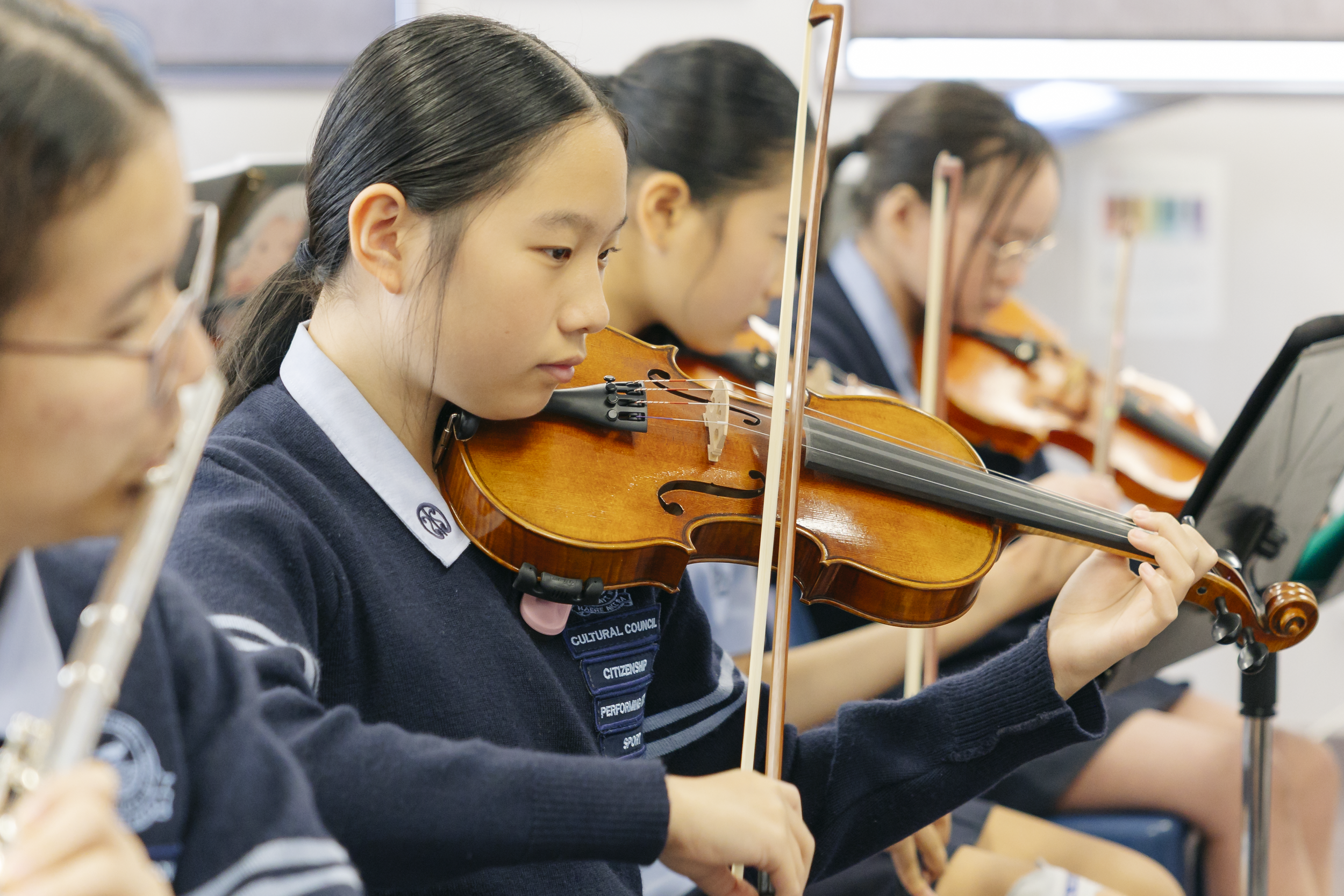
In Pūoro, students have a variety of opportunities to develop and extend musicianship skills. They gain understanding through music listening and literacy lessons, learning to play the keyboard and ukulele, using music technology and developing knowledge of common musical instruments and key music elements. In addition to developing skills through traditional methods of musical instrument learning, they also gain skills and understandings of traditional Māori musical instruments (Ngā Taonga Pūoro), as well as utilise modern technologies to create music.
Tukanga Toi (Visual Art & Design)
Tukanga Toi is a creative learning space where students explore design principles, artistic elements, and use a range of media and processes to develop visual ideas and art projects. Tukanga Toi encourages deeper thinking and application of knowledge and skills, including hands-on creating, innovative thinking, and cultural understanding - empowering learners to communicate ideas, stories, and identity.
Hangarau Rawa Ōkiko (Hard Materials)
Hangarau Kai (Food Technology)
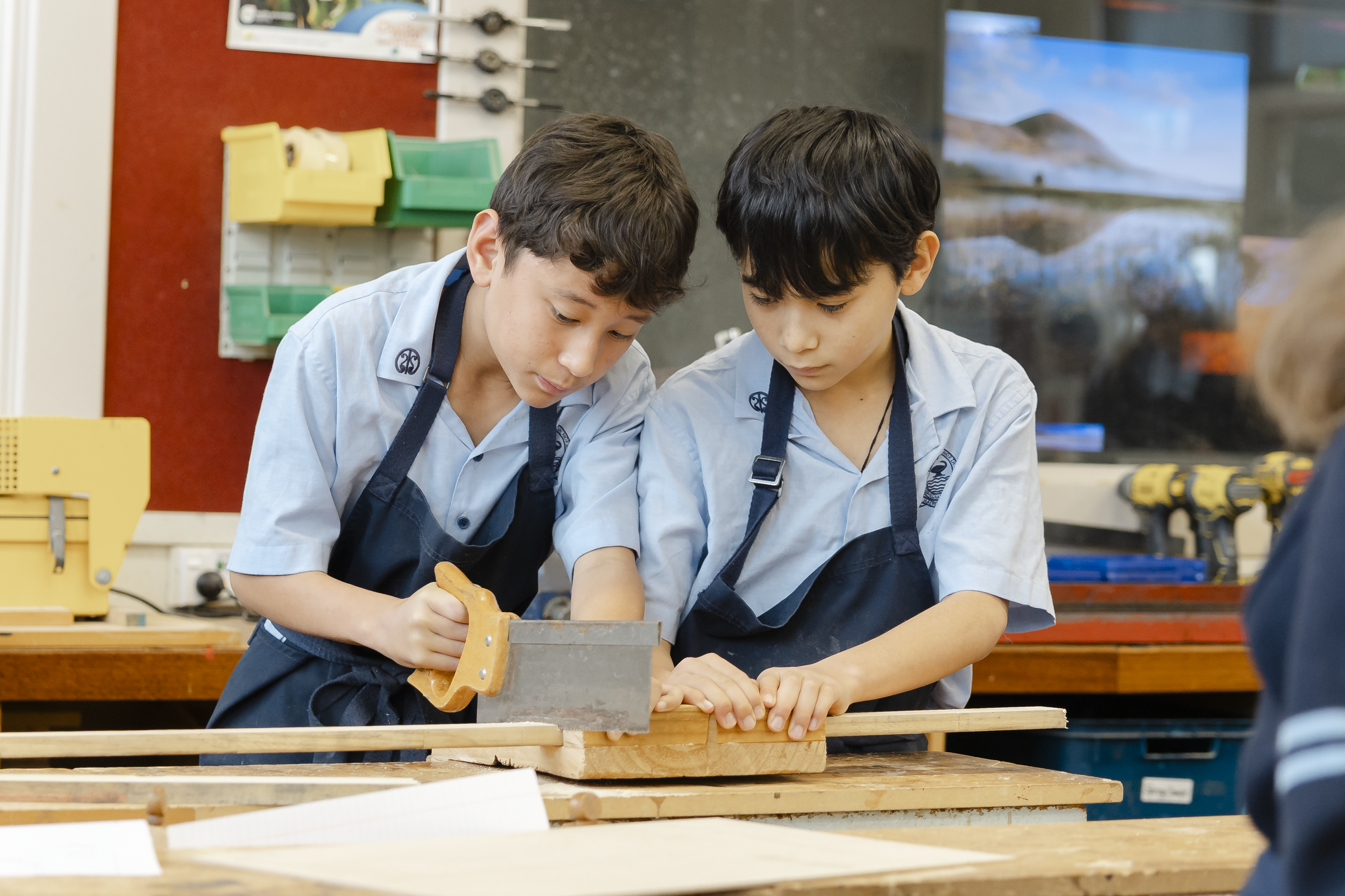
Hard Materials Technology is design based and focuses on transforming a range of materials into functional solutions or outcomes. Using a design process such as Te Tukanga Hoahoa Whakaaro, students ideate, model, create and refine their product ideas. Developing outcomes also involves selecting and learning to use appropriate hand tools, machinery and computer aided manufacture as well as acquiring skills and values of strong workmanship and safe working practice. At the end of their class cycle, students will have created products that are ‘fit for purpose’ that they can also be proud of.
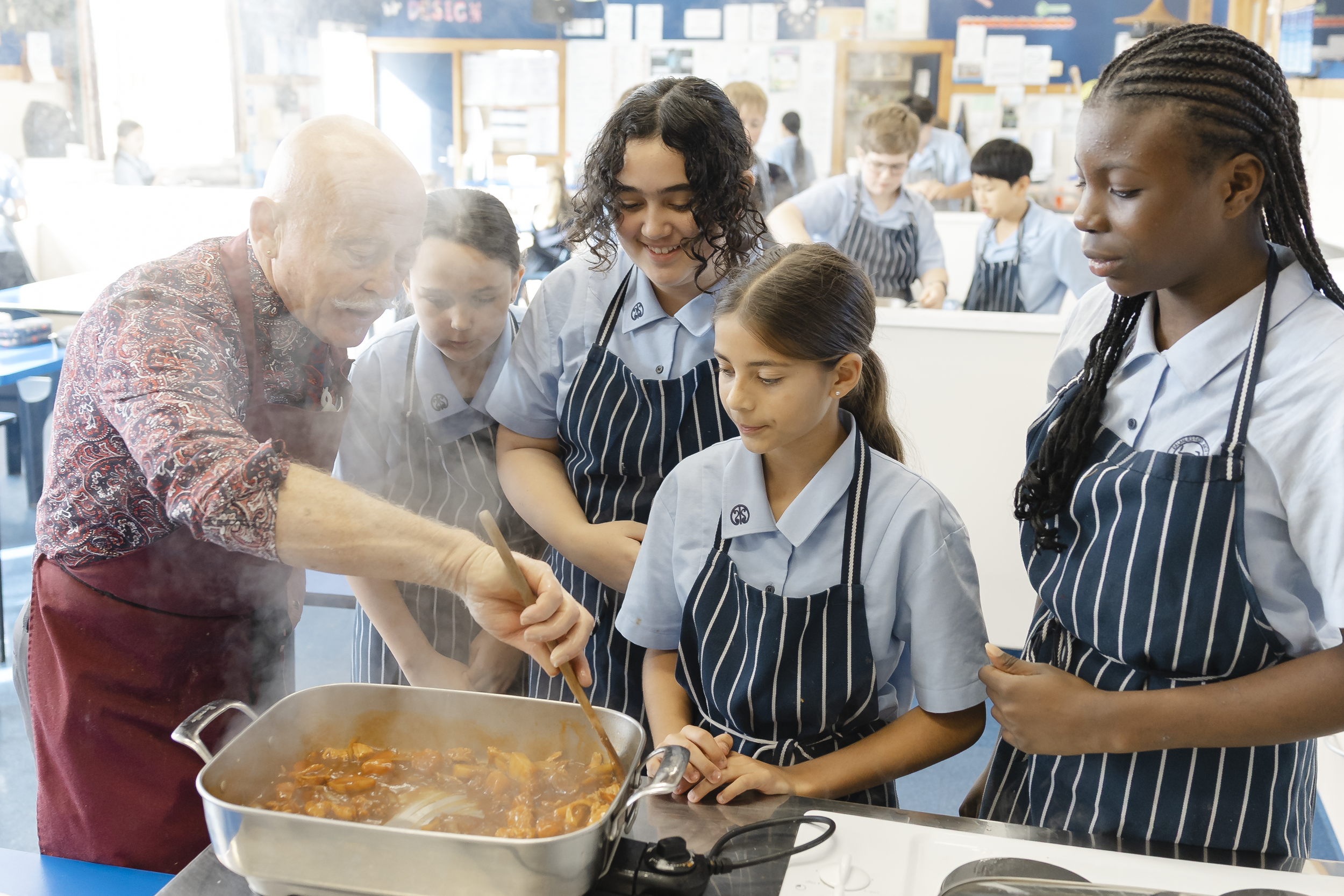
In Hangarau Kai, students explore the fascinating world of food and how it affects our wellbeing. Using the principles of Te Whare Tapa Whā, students learn about the importance of balancing our physical (tinana), mental (hinengaro), spiritual (wairua), and social (whānau) health, through the food we eat. Students engage in practical learning experiences - cooking and learning about different food groups, nutrients and cultural traditions. They develop the skills to make informed choices about what we eat and how we live.
Pūtaiao (Science)
Kaupapa Māori
Science is everywhere! The Pūtaiao/Science programme enables students to understand the world around them and how it works. The lessons encompass all four of the science curriculum contexts - Biology, Chemistry, Physics and Planet Earth within a focused theme. Students will explore the Nature of Science - what scientists do, and how they do their work, through practical investigations and hands-on experience with laboratory equipment.
Kaupapa Māori lessons provide ākonga with opportunities to participate positively, with open minds and open hearts, across a range of horopaki ihiihi - exciting and engaging contexts. These experiences are designed to ignite curiosity and confidence, and to be shared back in classrooms, teams, and at home with their whānau. Te reo Māori me ōna tikanga is woven throughout a variety of horopaki. Ākonga learn and actively participate in taonga tākaro (traditional Māori games), mahi toi, karakia, and waiata, while strengthening their mihimihi and pepeha. They also deepen their understanding of local Māori history and pūrākau, and develop confidence in whakawhiti kōrero - the foundational skills of asking and responding to questions in te reo Māori.
Whiua te reo Māori ki te ao!
International Languages
Year 7 and 8 students have the option to learn an international language, as part of our after school International Language Programme.
This programme runs during terms 2 and 3 from 3.30pm – 4.30pm, across several afternoons per week.
The programme is set at Level 1 of the Language Curriculum, and aims to give students a solid introduction to an international language of their choice.
Involvement in this programme enables students to make informed choices when selecting language options for secondary level.
Languages offered previously are below, and are subject to availability of tutors.
Mandarin
French
Spanish
Japanese
German